
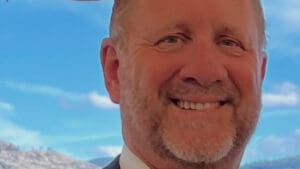
Frank Elsner is a Canadian public safety leader with decades of experience across policing, intelligence, and corporate security. His career reflects steady progression through complex roles, shaped by both frontline work and executive leadership.
Born in Germany and raised in Canada, Elsner developed discipline early through sport and community involvement. He competed in wrestling at a high level in school and later pursued higher education while working full time. He earned a Political Science degree from Lakehead University and, more recently, a Master of Public Administration from Western University.
Elsner began his career in policing in the early 1980s. He served with the RCMP, Ontario Provincial Police, and Thunder Bay Police, where he worked in undercover operations, investigations, intelligence, and tactical units. He later moved into senior leadership, serving as Deputy Chief and then Chief of Police in Greater Sudbury.
In these roles, he helped shape organisational strategy and public safety initiatives. He also held leadership positions with provincial policing and intelligence bodies, including the Ontario Association of Chiefs of Police and the Criminal Intelligence Service of Ontario.
After leaving policing, Elsner transitioned into the private sector. He founded a consulting firm and later took on a senior corporate role. He is now Chief of Safety and Security for Natural Factors Group of Companies.
Alongside his career, Elsner has remained active in community service, serving on boards and supporting charitable organisations. His work reflects a consistent focus on leadership, accountability, and making a practical difference.
Frank Elsner on Leadership, Policing, and Building a Career Across Sectors
Q: You started your career in policing quite early. What drew you into that field?
I’ve always been interested in structure and teamwork. Growing up, I was very active in sport. I wrestled competitively and was ranked in the province. That taught me discipline. I also served as student council president, so leadership came early. Policing felt like a natural path where those skills mattered.
Q: Your early career covered several roles. What stands out from that period?
I worked across different services, starting with the RCMP and then moving into provincial and municipal policing. In Thunder Bay, I had the chance to work in many areas. I was an undercover officer, a detective, and part of intelligence and tactical teams. That variety gave me a broad view of how policing really works.
Q: You also trained as a diver quite young. Did that influence your career?
Yes, I became a qualified expert diver at 17. That later connected to my role as a Dive Master in policing. It taught me to stay calm under pressure and to think clearly in difficult situations. Those skills carried over into leadership roles later on.
Q: You eventually moved into senior leadership positions. How did that transition happen?
It was gradual. I moved into supervisory roles and then into executive leadership. I became Deputy Chief in Owen Sound and later in Greater Sudbury. In 2009, I was appointed Chief of Police. At that stage, the focus shifts from operations to strategy, people, and long-term planning.
Q: What were some key challenges as Chief of Police?
Balancing operational demands with community expectations is always complex. You have to manage resources, support your officers, and maintain public trust. It’s not just about enforcement. It’s about relationships and accountability.
Q: You also held roles at the provincial level. What did that involve?
I served as Vice President of the Ontario Association of Chiefs of Police and chaired the Criminal Intelligence Service of Ontario. Those roles focused on coordination across jurisdictions. Crime doesn’t stay within boundaries, so collaboration is critical.
Q: After policing, you moved into the private sector. Why make that shift?
I wanted to apply what I had learned in a different environment. I founded Umbra Strategic Solutions, which focused on consulting and leadership. Later, I took on a corporate role. Today, I serve as Chief of Safety and Security for Natural Factors Group of Companies.
Q: How different is corporate security compared to policing?
There are similarities in risk management and planning. But the environment is different. In business, you are aligning safety with operations and organisational goals. It requires a broader view of how systems and people interact.
Q: You completed a Master’s degree later in your career. What motivated that?
I went to Lakehead as a mature student and completed my degree while working full time. More recently, I completed a Master of Public Administration. I’ve always believed in continuous learning. It helps you stay relevant and improve how you lead.
Q: You’ve also been active in community organisations. Why is that important to you?
Community work has always been part of my life. I’ve served on boards like the Sudbury Food Bank and Health Sciences North. These roles keep you connected to real issues. Leadership isn’t just about your job. It’s about contributing where you can.
Q: You’ve given a TEDx talk titled “Go Ahead, Make a Difference.” What message were you trying to share?
The idea was simple. People often wait for the right moment or the right position to act. But you can make a difference at any level. It starts with small decisions and consistent effort.
Q: Looking back, how would you describe your career overall?
It’s been about progression and learning. From frontline work to executive roles, and now into the private sector, each step built on the last. The common thread has been leadership and service.
Read more:
From Tactical Units to Boardrooms: Frank Elsner’s Evolving Career